
Saturday, 9 p.m. The phone rings - the private one, because outside office hours there is no other. A tenant from one of the buildings: water is dripping from the bathroom ceiling. And now begins the part that costs the evening: was that the second or third floor? Who is the plumbing on-call service for the buildings on that street? Is the number in the phone or in the folder back at the office? And is this even an emergency worth pulling someone out of their evening for, or has something been dripping for days that could wait until Monday?
Twenty minutes of calls later, two contractors unreachable, you sit there with the nagging feeling you might have made the wrong call. That’s what on-call duty looks like in many property management firms - not for lack of technology, but because in exactly those five minutes too many decisions land at once.
What actually has to happen in the first five minutes
Break the call down and it consists of four decisions, and none of them really needs the manager personally:
Emergency or not? A water leak, a stuck lift with a person inside, no power in the whole building - that has to move immediately. A dripping tap, a broken doorbell, a bin question - that can wait until Monday. This split is half the work.
Which trade? Water, heating, electrics, lift, locks - each has a different on-call partner.
Which partner for which building? That is fixed, it just has to be at hand - not in someone’s head and not in the office folder.
And finally: how does the manager learn on Monday what happened? So nothing slips through and costs can be assigned later.
The grind isn’t any one of these decisions. It’s that on a Saturday night they all have to be made at once and from memory.
 Photo: rami_alzayat / Unsplash
Why call forwarding and voicemail both miss
The two obvious fixes fail at opposite ends.
Forwarding to the private mobile turns the manager into a permanent on-call service. Every call comes through, including the one about bulky waste, and your own weekend effectively no longer belongs to you.
Voicemail does the reverse: it takes everything equally seriously, which is to say not at all. The real water damage lands on tape and runs until Monday, with follow-on damage costing a multiple of the original repair.
What’s missing is something in between: a first contact that listens, sorts, and only wakes someone when it must.
How a considered first contact saves the evening
Take the same call again, this time with a structured system in front of it. The tenant describes the dripping bathroom. The first contact - whether an AI-assisted phone assistant or a guided reporting system - asks the decisive follow-ups: how heavily is it dripping, is there standing water, is the flat below affected. From the answers it follows: acute water damage, trade plumbing.
Now the mapping set up once takes over: for this building, firm X is the plumbing on-call service. The call is put through there or the firm is alerted directly - not to the manager’s private phone. At the same time a log is created: who reported what and when, what was triggered. It’s on the desk first thing Monday, without anyone having had to note anything down at night.
And the other call, the one at 9 p.m. about the bin? It gets a calm, correct answer or a note that someone will deal with it on Monday - and disturbs no one.
The core is that separation: the standard cases and the false alarms are caught by the system, the real emergencies go straight and structured to the right people.
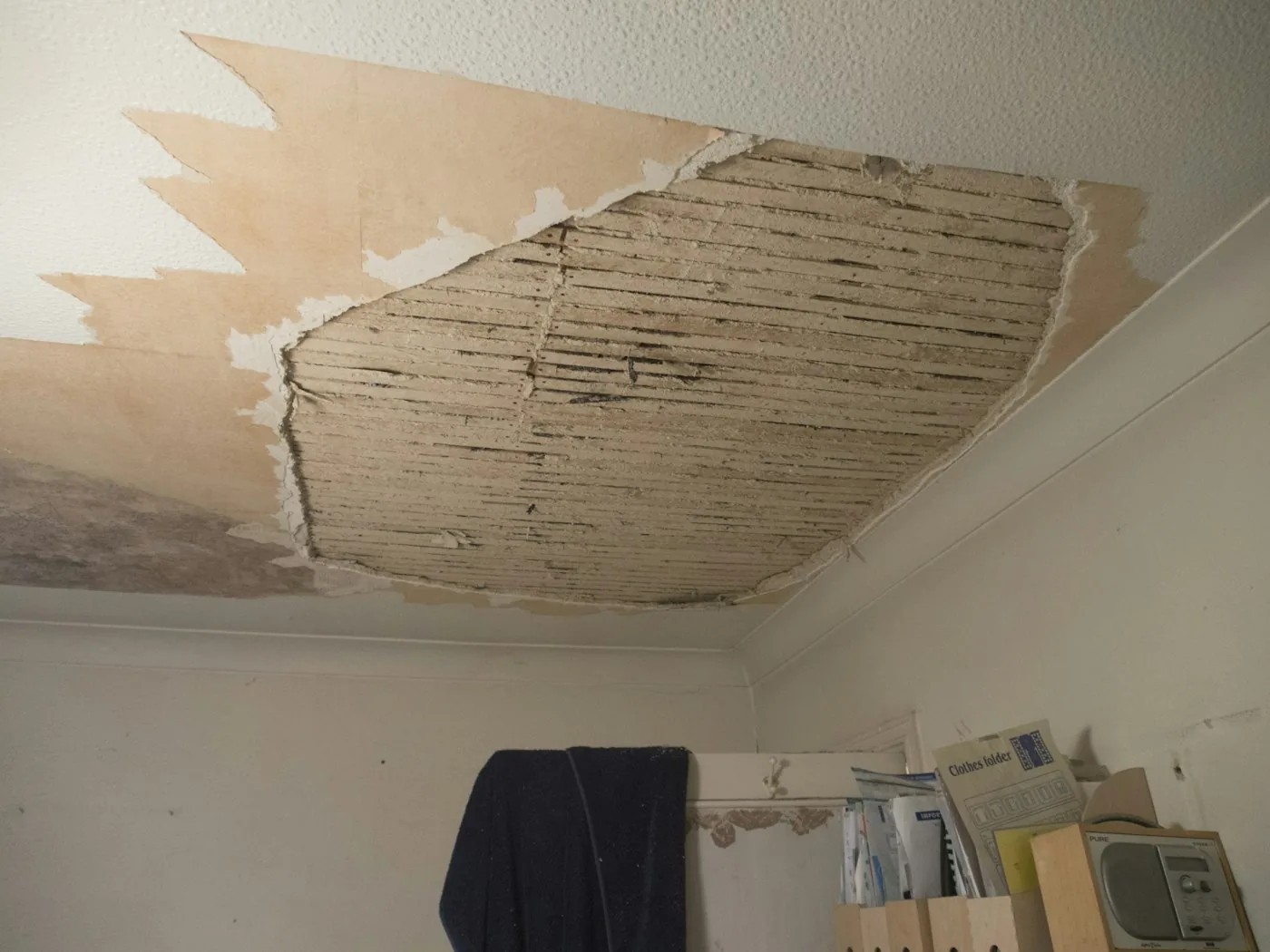 Photo: brett_jordan / Unsplash
Where the limits are
Two things belong in the open.
The genuine disaster stays a human call. If a burst pipe floods half a basement or a lift traps a person, a human decides on the how and the who. What’s automatable is the stage before - the fast, correct routing - not the judgement in the exceptional case.
And data protection has a say the moment recording starts. Anyone taping or transcribing calls must inform callers, needs a basis and a deletion period. Usually it’s enough to capture the matter in a structured way rather than storing the whole recording - more data-minimal and entirely sufficient for the purpose.
If your own weekend is what grates
What such a first contact looks like depends entirely on your operation: how many buildings, how often something really happens at night, which trades have which on-call partners, whether voice intake makes sense or a lean reporting form is enough. It can’t be bought off the shelf, it has to fit your mappings and your workflow. I build this tailored - one person who designs and understands the solution, rather than forcing you into a finished piece of software.
If you’d like to know how your weekend on-call duty could be eased: I’m Eric Menge of EMIT Solution, reachable at info@emit-solution.com and via emit-solution.com. A first conversation costs nothing and looks at how often the phone really rings at night for you, and how much of that is avoidable.
FAQ
Can AI really take an emergency call?+
For the pre-sorting yes, for the decision in a genuine emergency no. An AI-assisted first contact can reliably record what happened, assign it to a trade and tell whether it can wait until Monday. For a real major loss the decision belongs to a human - the automation makes sure that human is only disturbed for the cases where they're actually needed.
How is this different from ordinary call forwarding?+
Call forwarding passes every call on unfiltered - including the tenant who just wants to know when bulky waste is collected. A structured first contact filters beforehand: it handles or defers the non-emergencies itself and only forwards the real emergencies, and then straight to the right on-call service rather than to the manager's private phone.
How does the system know which contractor is responsible?+
It's set up once: which trade for which building has which on-call partner, with numbers and responsibilities. The first contact assigns the description to the matching trade - water, heating, lift, electrics - and draws on that stored mapping. That's the part that replaces the night-time searching.
Are such calls even allowed to be recorded?+
Only with a basis and a notice. If a call is recorded or transcribed, callers must be informed, and there needs to be a legal basis and a deletion period. In practice it's often enough to capture the matter in a structured way rather than storing the full recording - that's more data-minimal and usually entirely sufficient.
Is this worth it for a small property management firm?+
It depends less on size than on the number of emergency calls and how much the weekend on-call duty weighs. Anyone giving up their weekend every fortnight for calls that were half non-emergencies will find even a lean solution pays off. It's not about a big system, it's about deliberately catching the same recurring false alarms.
Want to know more?
In a free intro call we discuss how you can use these topics for your company. Not a sales pitch, but an honest assessment.
Book a free intro call