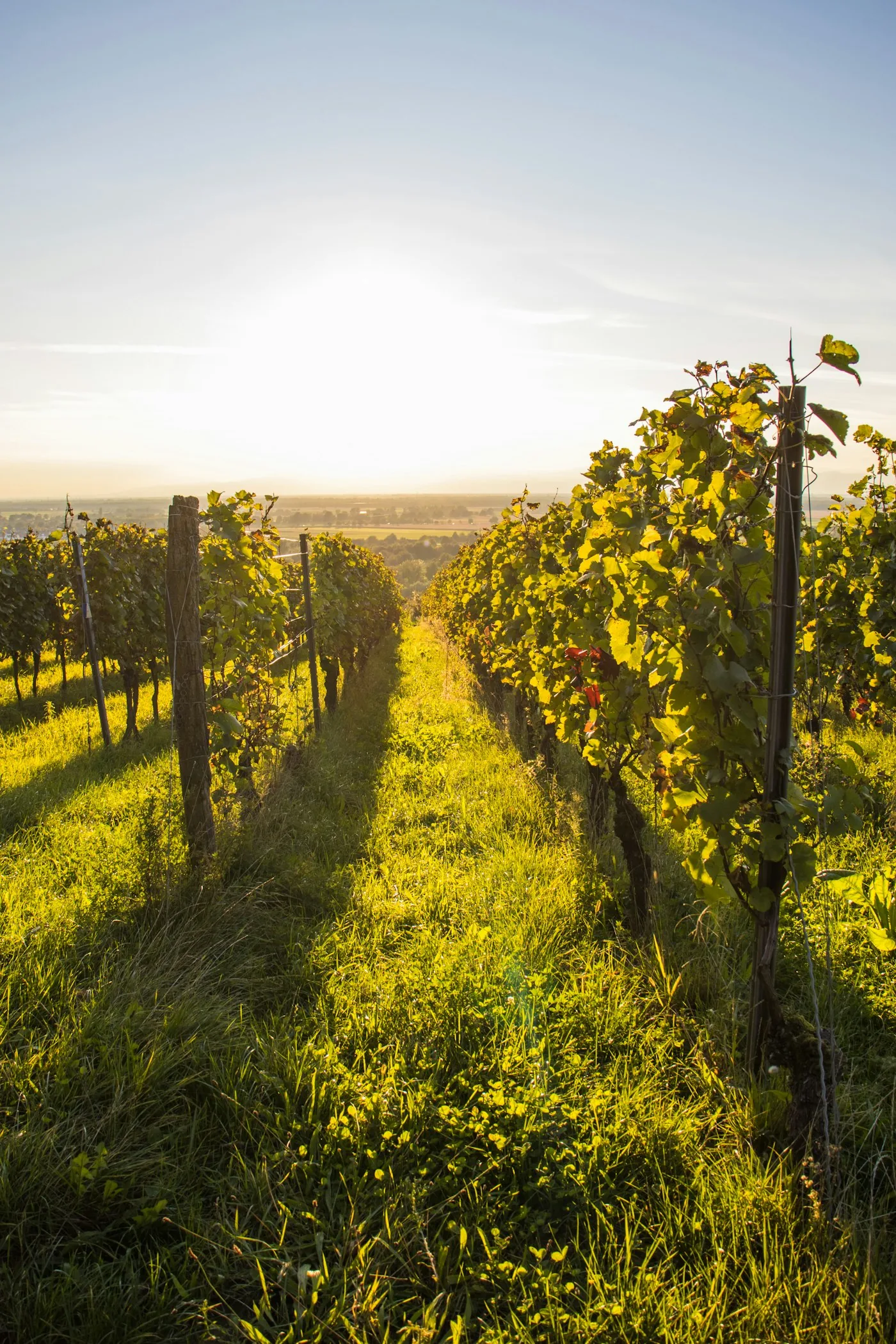

There’s a family that has come every summer for years. They live two hours away, block out a whole weekend and come for one reason: because that’s when the seasonal tavern is open. In several German wine regions a winery is allowed to run such a tavern - a Straußwirtschaft - for only a limited number of weeks a year, serving its own wine. And every year the same scene plays out. In May someone calls: “Tell me, when are you open this year?” Sometimes the date isn’t even fixed yet. And sometimes the call doesn’t come at all, and the family stays away because nobody thought to check - a lost weekend, several cases of wine that don’t cross the counter.
That’s the real pain, and it has little to do with the opening itself. It has to do with the fact that the most loyal guests are precisely the ones who need the most lead time - and so they’re the ones a short-notice opening leaves behind.
Why the problem is more structural than it looks
A seasonal tavern isn’t a restaurant that simply opens every Friday. The opening weeks are limited, often coordinated in rotation within the village, and the exact date frequently isn’t set until two or three weeks beforehand. For the business that’s routine. For the guest who wants to travel, it’s the opposite of plannable.
And it hits the wrong people. The passing trade from the next village doesn’t care about the date - they drop by when the sign is out. But whoever drives two hours has to block a weekend, and that only works with lead time. So exactly the guests with the strongest loyalty and the highest spend per visit are the ones most likely to fall through the cracks. It’s frustrating because it affects the most valuable group, and because it could be avoided entirely.
 Photo: boudewijnboer / Unsplash
Why the obvious fixes don’t reach
Three fixes come to mind, and all three leave exactly the gap that matters.
The regional listing is the first. It exists for many wine regions, and it’s useful - for someone who doesn’t yet have a favourite and wants to know who’s pouring this weekend at all. But your regulars aren’t looking for just any tavern, they want to come to you. What the listing doesn’t know is your own guest list, and what it can’t do is send a targeted message to exactly the people who travel for you. It puts you in a row next to everyone else - the relationship belongs to the portal, not to you.
The newsletter is the second. Technically it could do it: collect addresses, send a round-mail on opening. In practice it fails on one inconspicuous detail. “Set status to open” and “notify everyone” are two separate actions, and the second falls behind when the harvest is running, barrels are being moved and the tavern has to be readied for the evening. The newsletter that should go out doesn’t go out - not because the tool is bad, but because a second manual step gets left behind in exactly the moment when there’s least time.
And social media is the third. A story about the opening is quick to post but fleeting - gone after 24 hours, not searchable, and it only reaches whoever happens to be in the app. The family two hours away, planning a weekend, isn’t scrolling through your stories every evening. They need a message that arrives, not one they’d have to happen to see.
What a lean solution looks like
Boil the problem down to its core and three parts remain. On your own website, a status field you can flip from your phone in seconds: “open until 10 p.m. tonight” or “next opening likely from the 14th”. Alongside it, a plain sign-up - “let me know when you open” - with just one contact channel, email or phone number. And the part that matters: when the status flips to “open”, the message goes out to everyone signed up automatically.
That last point is the whole difference. Not “flip the status and then also write a round-mail”, but a single action that does both. The business does what it does anyway - it shows that it’s open - and the guests are informed in the same moment, with no one having to remember. Exactly where the newsletter fails, this coupling holds.
The second difference is who owns the relationship. The sign-up list sits with you, not with a comparison portal. They’re your guests, your contact, your message - and when you open again next year, they’re still there. No middleman, no commission, no scattering to people who actually wanted to go somewhere else.
 Photo: alexispresa / Unsplash
What to keep in mind
Two things belong with it. One is data protection: the moment someone signs up with an email or number, that’s personal data. So a clear consent at sign-up, a recognisable purpose - only the opening info, nothing else - and an easy unsubscribe. Data-minimal here means the one contact channel is enough; you don’t need anything more.
The other is expectation. A list like this is not a marketing channel. Whoever signs up wants to know one thing - when you’re open - and gets exactly that. The moment it turns into a newsletter with offers and greetings, people unsubscribe. The restraint is part of the solution, not a sacrifice.
If every missed weekend stings
What this looks like in practice depends on your business: how often and how short-notice you open, whether your guests are best reached by email or by message, how your site is built today. It can’t be taken off the shelf, because your village’s rotation and your guest base are yours - but it’s no big system either, just a deliberately lean thing that serves exactly one purpose.
If you’d like to know how this could work for your winery: I’m Eric Menge of EMIT Solution, reachable at info@emit-solution.com and via emit-solution.com. I build tailored solutions like this myself - one person who understands the site and the technology behind it, rather than forcing you into finished software built for entirely different businesses.
FAQ
Wouldn't a normal newsletter tool do the job?+
Technically yes, in practice it fails on the decisive detail. With a newsletter, 'set status to open' and 'send the round-mail' are two separate actions. It's the second one that gets left behind when the harvest is running and the tavern has to be made ready. The value of an own solution is that both are one click: whoever flips the status has already told the guests.
What about the regional seasonal-tavern listings?+
They're useful, but for a different purpose. A regional listing answers 'which tavern is open this weekend' for someone who doesn't yet have a favourite. Your regulars already have one - you. What the listing doesn't give you is your own guest list and a targeted message to exactly the people who travel for you.
Does this need a big system?+
No. At its core it's three parts: a status field you can flip from your phone in seconds, a simple sign-up ('let me know when you open') and a send-out that runs automatically when you flip the status. It's deliberately lean - no reservation system, no till, no customer accounts.
What about data protection?+
The moment guests sign up with an email or phone number, that's personal data. So you need a clear consent at sign-up, a recognisable purpose ('the opening info, nothing else') and an easy way to unsubscribe. Stay data-minimal: just the one contact channel, nothing you don't actually need.
Is this only for wineries?+
No, the pattern fits any seasonal or irregularly opening business: farm shops with harvest windows, ice cream parlours dependent on the weather, any venue that opens only on certain dates. Wherever a short-notice, shifting opening meets guests who need lead time to plan, it's the same solution.
Want to know more?
In a free intro call we discuss how you can use these topics for your company. Not a sales pitch, but an honest assessment.
Book a free intro call